
Community
California confirms first largemouth bass virus case, warns anglers to help prevent its spread
California has confirmed largemouth bass virus at a Nevada County lake for the first time, and wildlife officials urge Northern California anglers to prevent its spread.
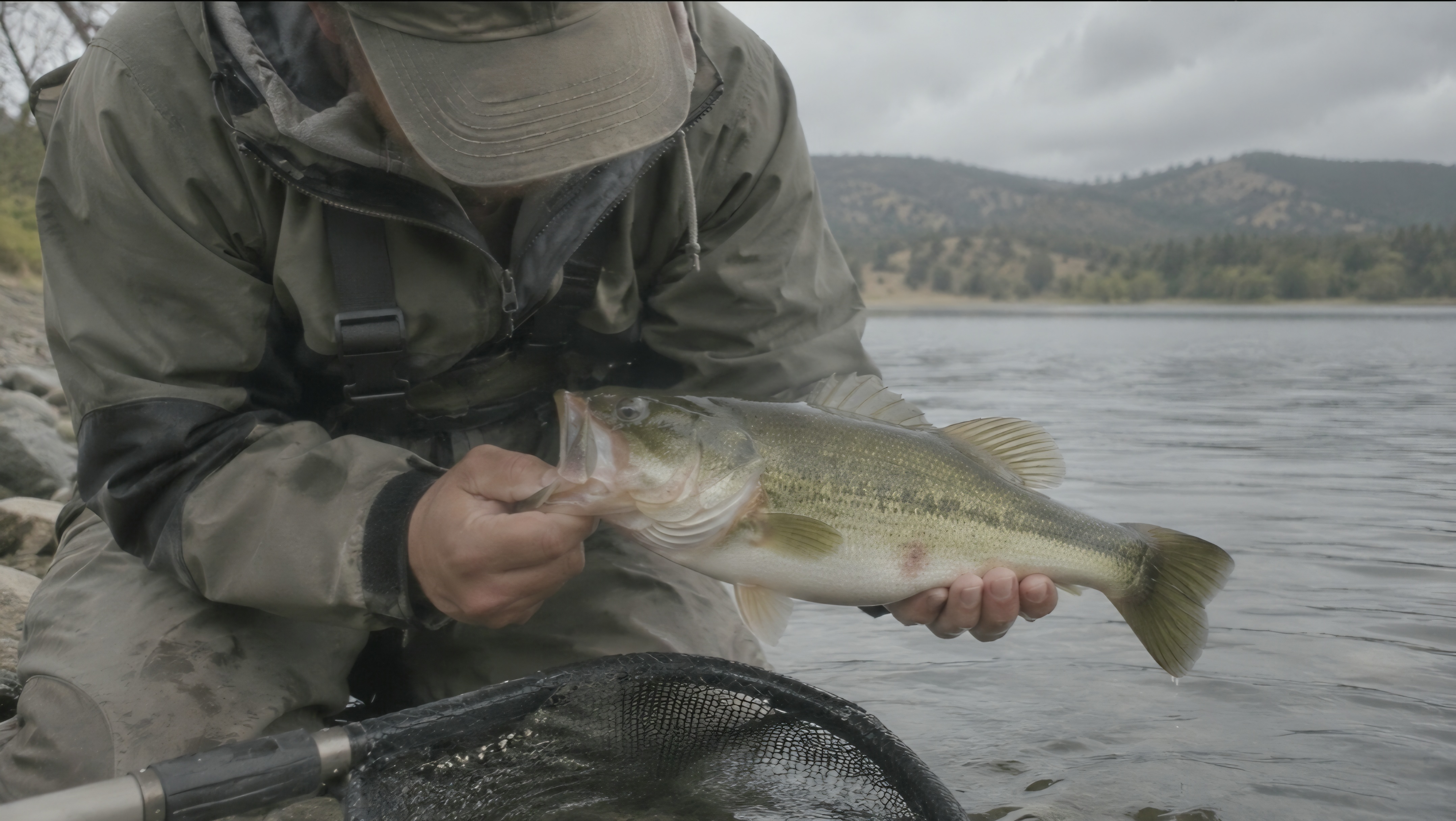
A virus that can kill largemouth bass has been detected in California for the first time, and state wildlife officials are asking anglers throughout Northern California to take precautions when moving between lakes and waterways.
The California Department of Fish and Wildlife announced Thursday, November 12th, that tests confirmed largemouth bass virus at Lake of the Pines, a private lake in Nevada County. The discovery followed a September fish die off in which approximately 220 fish died, most of them largemouth bass, along with some bluegill.
The virus was identified through examinations at the department's Fish Health Laboratory. Investigators have not determined how it reached the lake.
What it means for North State fishing
Largemouth bass are a popular sport fish in California, making the state's first confirmed detection relevant to anglers who fish Shasta Lake, Lake Oroville and other waters across the North State.
The department's announcement did not report a confirmed infection in those North State lakes. Officials are working to determine whether the virus is present elsewhere in California and want boaters and fishermen to take precautions now rather than wait for another outbreak.
The virus does not pose a known risk to people or other warm blooded animals. State officials say there is no specific health concern from the virus itself when eating properly prepared bass, although normal food safety precautions still apply.
For fish, however, an outbreak can be serious. Infected largemouth bass may develop sores, unusual swimming behavior, bulging eyes or difficulty staying underwater. The virus can also affect other species or be carried by fish that show no signs of illness.
How to help stop the spread
California wildlife officials recommend draining water from boats, livewells, bait tanks and other equipment before leaving a waterbody. Fishing gear that touches water or mud should be cleaned and thoroughly dried before being used somewhere else.
Anglers should never transfer live or dead fish from one lake or river to another, should throw unused bait in the trash and should dispose of fish remains properly. Anyone who sees a significant number of dead bass is encouraged to report the event to the nearest CDFW regional office.
There is no vaccine or available treatment for the virus. Fish populations may recover, but the effects on larger bass can remain for years.
Sources
California Department of Fish and Wildlife, November 12th announcement